
Cephalopoda
Cephalopoda are the most intelligent, most mobile, and the largest of all classes of molluscs. Cephalopoda include the squid, octopuses, cuttlefish, the nautilus. There are around 800 species of extant cephalopoda and 17,000 named extinct (fossil) species. Their size ranges from 1cm to over 20 m in length. Large squid species can weigh up to 700 kilograms.
About Cephalopoda
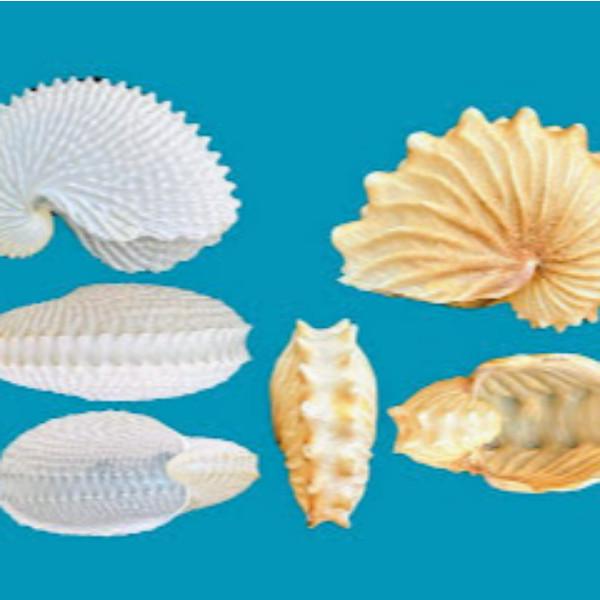
Squid and cuttle fish have internal shells, Nautilus have external coiled shells. A genus of pelagic octopus (Argonauta) make a shell shaped egg chamber (paper Nautilus). Argonauta “shells” and Nautilus shells are popular with collectors. The trade in Nautilus shells is permitted under CITES but conditions and local laws apply.
Cephalopoda have evolved suckered tentacles, camera-like eyes, color-changing skin, and complex learning behavior. Cephalopoda appear first in the fossil record in the Late Cambrian, 500 million years ago. Their fossils are abundant (mostly shelled nautiloids and ammonoids), and are very popular with fossil collectors.