
Haliotidae
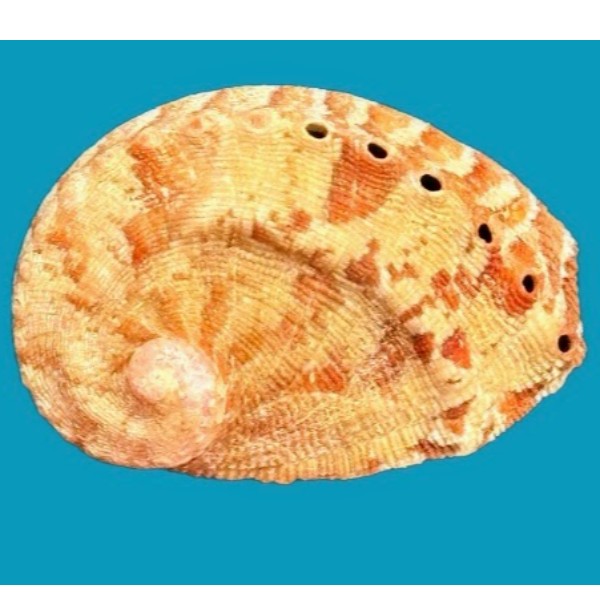
Haliotidae, known commonly as Abalone shells are distinctive for their flattened, ear-like shape, nacreous interior, and row of holes used for respiration. The flesh of abalone is widely considered to be a delicacy, and is consumed raw or cooked by a variety of cuisines. Abalone are globally distributed in tropical and temperate waters, with approximately 70 known species alive today. Haliotis live on rocky substrates at sublittoral depths. Though some species are small (10mm), the largest abalone can attain a length of 300mm. The largest species, Haliotis rufescens, reaches 300mm or more.
SEARCH/FILTER RESULTS
About Haliotidae
The adults are herbivorous and feed on macroalgae, preferring red or brown algae.
The thick inner layer of the shell is composed of nacre, which in many species is highly iridescent, giving rise to a range of strong, changeable colors which make the shells attractive to humans as ornaments, jewelry, and as a source of colorful mother-of-pearl.
The exterior of the shell is striated and dull. The color of the shell is very variable from species to species, which may reflect the animal's diet. The iridescent nacre that lines the inside of the shell varies in color from silvery white, to pink, red and green-red to deep blue, green to purple.
Due to their large size, shallow water habitat and desirability as a food source, many Haliotis species are declining in their natural environment due to human collection. Some species are locally protected, however, considerable poaching occurs.
Abalone are also popular with shell collectors.