
Epitoniidae
Epitoniidae or Wentletraps are small, often white, very high-spired, predatory or ectoparasitic marine gastropod molluscs. The word wentletrap originated in Dutch (wenteltrap), and it means spiral staircase.
Epitoniidae is a rather large family, with an estimated number of species of about 630. This family also includes the Janthina species, the pelagic purple snails. Wentletraps inhabit all seas and oceans worldwide, from the tropical zones to the Arctic and Antarctic zones.
SEARCH/FILTER RESULTS
About Epitoniidae
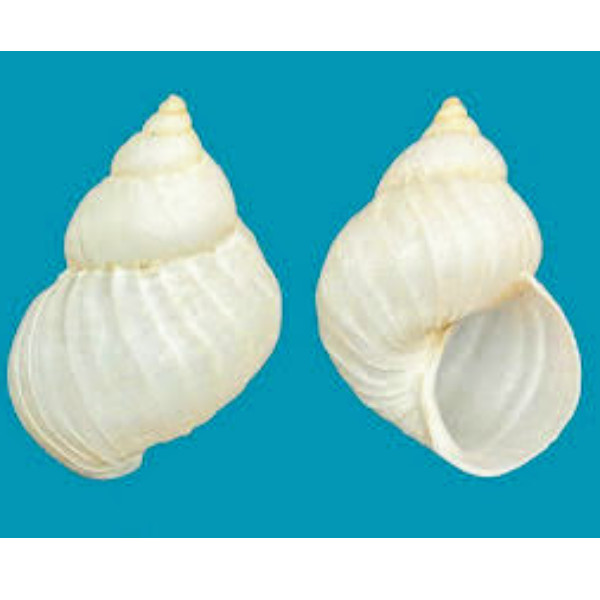
Most species of wentletrap are white, and have a porcelain-like appearance. They are notable for their intricately geometric shell architecture, and the shells are prized by collectors. This size of the shell ranges from a few millimeters up to 110mm. Amaea magnifica is the largest species. The shells of another large wentletrap, the precious wentletrap Epitonium scalare, was so prized in Victorian times that fake specimens were made from rice paper. Nowadays, those fakes are worth considerably more than the actual shells which has proven to be a very common species occurring in a very wide range of locations.
Wentletraps are usually found on sandy bottoms near sea anemones or corals, which serve as a food source for them. Some species are foragers and search for anemones.
The Janthina species are found worldwide in the warm waters of tropical and temperate seas, floating at the surface. They are often found in large groups and sometimes become stranded on beaches when they are blown ashore by strong winds. These snails are pelagic, drifting on the surface of the ocean, where they feed upon pelagic hydrozoa, especially the by-the-wind sailor, Velella velella, and the Portuguese man o' war, Physalia physalis.