Strombidae
Strombidae, commonly known as the true conchs, is a family of medium-sized to very large marine mollusca.
Strombid gastropods live mainly in tropical and subtropical waters and are wide spread. There are 120 or so living species, the highest species diversity being in the Indo-West Pacific. They also occur in the eastern Pacific and Western Atlantic, and a single species can be found on the African Atlantic coast. 6 species of strombids are found in the wider Caribbean region. One species, Strombus decorus persicus, occurs in the Mediterranean as a lessepsian migrant. Shells of Strombids range from 8mm-380m+, Strombus (Titanostrombus) goliath being the largest of the family.
SEARCH/FILTER RESULTS
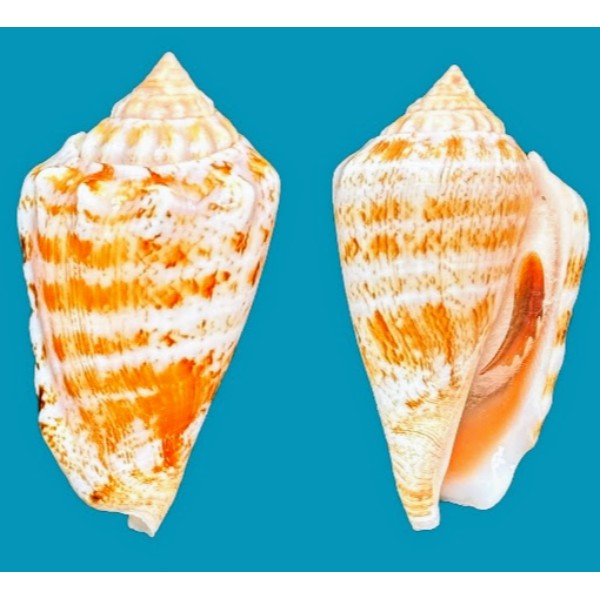
About Strombidae
Strombids are specialized herbivores and occasional detritivores. They are usually associated with shallow-water reefs and seagrass meadows. Unlike most snails, which glide slowly across the substrate on their feet, strombid gastropods have a characteristic means of locomotion, using their horny operculum to propel themselves forward in a “leaping” motion.
Recently the Strombids have been subject to considerable taxonomic splitting at the species level, and the creation of a multitude of new genera.
Strombids are collected for food in many countries, the queen conch, Strombus (Aliger) gigas, has been a principal source of food for the inhabitants of Caribbean coasts and
Islands. However, overfishing has led to population decline and it is one very few marine gastropod molluscs included on the CITES Appendix II of endangered species. Collecting of queen conch is prohibited in Florida and controlled in many areas of the Western Atlantic, Gulf of Mexico and Caribbean.